B2B Prospecting Messages That Convert: Templates, Data, and Common Mistakes
Real 2026 data on reply rates, connection requests vs InMail, messaging frameworks (AIDA, PAS, BAB), follow-up cadence, personalization at scale, and how to run the first meeting without blowing it.
The best tool stack in the world is useless if your messages don't get replies. And in 2026, the bar has risen: the average cold email reply rate dropped from 8.5% in 2019 to 3.4% in 2026. Anyone still sending generic messages to massive lists is throwing money away.
In this article, we compile the latest data on what works and what doesn't in B2B prospecting messages — LinkedIn, email, and the first meeting. With templates, frameworks, and real numbers.
LinkedIn: connection request vs. InMail
The first dilemma: do you send a connection request or an InMail? The 2026 data is clear.
- 45-68%, Connection request: Acceptance rate. Without a note: 55-68%. With a note: 28-45%. Free and unlimited (within LinkedIn's daily limits).
- 10-25%, InMail: Open rate, with 3-8% reply rate. Requires Sales Navigator (50 credits/month). No follow-up if the recipient doesn't respond.
- 70-90%, Warm outreach: Reply rate when you first engage with the prospect's content (comments, reactions) before connecting. Data from high-performing SDRs.
The strategy that works best: Engage with the prospect's content 3-5 days before connecting (leave a relevant comment, react to a post). Then send the connection request WITHOUT a note — requests without notes have better acceptance (55-68% vs 28-45% with a note). Once connected, send a short, personalized message. This sequence triples the reply rate vs. cold InMail.
If you do use a note in the connection request, keep it under 200 characters, friendly, and pitch-free. Filling up the 300 allowed characters signals automation and drops acceptance. And never, ever ask for a meeting in the connection request — doing so drops acceptance below 15%.
Cold email: subject lines and structure
Cold email remains the highest-volume channel in B2B prospecting. The 2026 data shows what works:
- Short subject lines (4-9 words) average 31.4% open rate vs 22.1% for 8+ words.
- Personalized subject lines with the recipient's name achieve 45-46% open rate.
- Question-based subject lines reach 46% open rate.
- Subject lines referencing a trigger event (job change, funding round, press mention) exceed 54% open rate.
- Emails of 50-125 words convert best. Longer = fewer replies.
- Personalized opening lines (mentioning a recent post, role change, or company achievement) increase replies by 142%.
The three frameworks that work
No need to reinvent the wheel. These three frameworks cover 90% of the cold emails you'll ever need to write:
AIDA: Attention, Interest, Desire, Action: Open with a fact or question that grabs attention ("I saw your team grew 40% this year"). Build interest with a relevant benefit ("Similar companies are booking 8-12 meetings/week with automated prospecting"). Create desire with a concrete case ("Your competitor X started 3 months ago and already has pipeline for the quarter"). Close with a clear action ("15 min this week to see if it applies?").
PAS: Problem, Agitation, Solution: Name the problem ("Hiring SDRs in Buenos Aires takes 3-6 months and turnover is 40%"). Agitate it ("Meanwhile, your pipeline dries up and the AE has nothing to work with"). Offer the solution ("We have SDRs operational in 2 weeks, with metrics from day one").
BAB: Before, After, Bridge: Describe the before ("Today your sales team depends on referrals and events to generate leads"). Paint the after ("Imagine receiving 10-15 qualified meetings per month on your calendar, without your team having to chase them"). Connect with the bridge ("That's exactly what we do with automated outbound prospecting").
Cadence: how many emails to send and when to stop
58% of replies come from the first email, but the remaining 42% come from follow-ups. Sending a single email and waiting means leaving almost half the replies on the table.
- 4-7 touchpoints is the optimal range. Fewer than 4 = you're leaving replies on the table. More than 7 = diminishing returns.
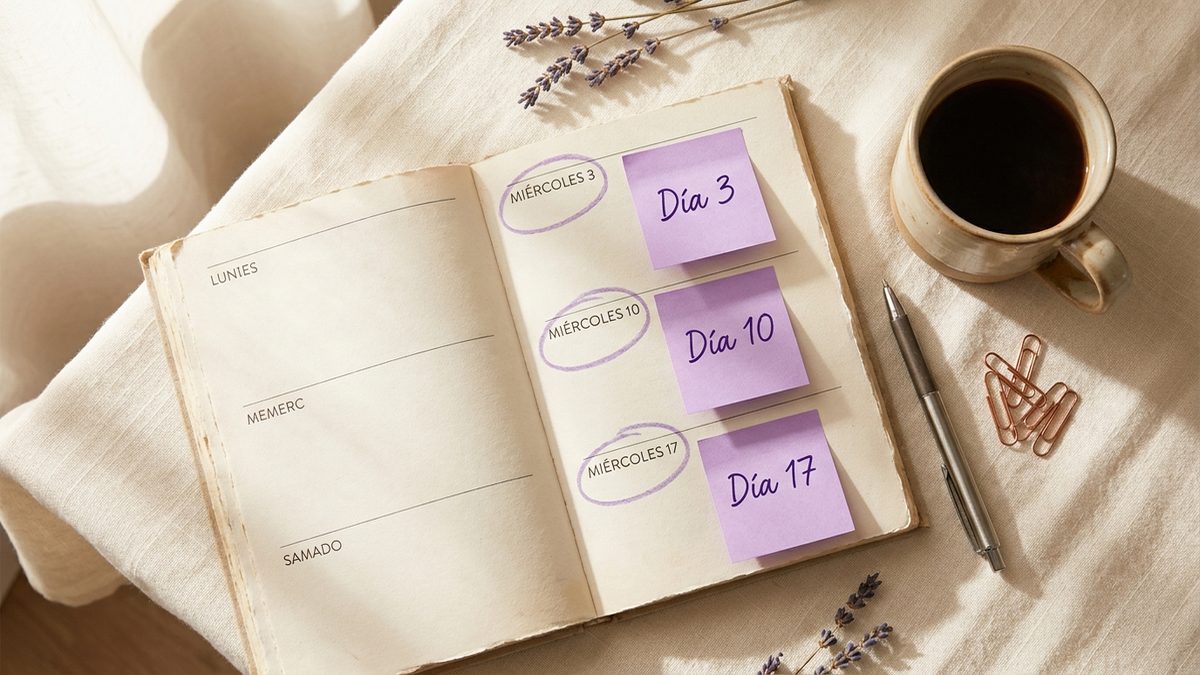
- The "3-7-7" cadence captures 93% of replies: follow-ups on day 3, day 10, and day 17.
- SMBs tolerate more follow-ups than enterprises. For SMBs: 4 emails in 14-21 days. For enterprise: 5-7 emails in 30-45 days.
- The break-up email (last email acknowledging there's no reply and offering to stop) often generates the response the previous ones didn't.
- More than 4 emails without a reply pushes spam complaints to 1.6%. After the third, supplement with LinkedIn and phone instead of continuing by email.
Multichannel: why LinkedIn + email + phone
Multichannel sequences (email + LinkedIn + phone) generate 2.5x to 3x more meetings than single-channel ones. The pattern that works best: email warms up, LinkedIn connects and humanizes, and the phone closes the meeting. The first 5 days have the most leverage — coordinate all three channels there.
Don't confuse volume with strategy: Since mid-2025, Microsoft requires DMARC authentication for bulk senders. This has pushed teams toward fewer, higher-quality emails, supplemented with phone and social. If your outbound strategy is only mass email, results will keep declining.
Personalization at scale: how to do it without burning out
Personalizing doesn't mean researching for 15 minutes per lead. It means having the right data (trigger events, title, industry, recent post) and using them in modular templates.
- Three layers of personalization: individual (name, title, recent post), company (news, hiring, funding round), industry (trend, regulation, competition).
- Pre-enriching contacts with Clay or Apollo turns personalization into a 30-second task per lead, not 15 minutes.
- Claygent can read each contact's LinkedIn profile and automatically generate a personalized opening line.
- The first seller to reach out after a trigger event has 5x more chances of winning the deal. Speed matters more than perfection.
- 1-2 personalized elements per email are enough. More feels invasive. The opening line and a company reference are sufficient.
The first meeting: how not to blow it
You got the meeting. Now comes the part most people get wrong: the discovery call. 80% of discovery calls fail according to industry data. The most common mistakes:
- Pitching before asking. The first meeting rule is "ask, don't sell." Top performers talk 40% and listen 60%; those who lose invert the ratio.
- Asking fewer than 6 questions. The best SDRs ask 12-15 relevant questions. The worst ask fewer than 6 and fill the space talking about their product.
- Not preparing. 70% of success comes from preparation: company news, strategic priorities, industry challenges. Show up knowing, not asking the obvious.
- Not defining next steps. Every discovery call ends with a concrete next step: "I'll prepare a proposal and we'll review it Thursday at 3 PM." If there's no next step, the meeting is dead.
The 5 questions you can't skip
- "What motivated you to take this meeting?" — This tells you the real pain, not the one you assumed.
- "How do you handle [specific problem] today?" — You understand the current state and the gap.
- "Who else is involved in this decision?" — You identify stakeholders before wasting time on proposals no one will approve.
- "What's the timeline for solving this?" — If there's no urgency, there's no deal. Better to know now.
- "What happens if you do nothing?" — The most powerful question. If the answer is "nothing serious," there's no deal.
Conclusion
The messages that convert in 2026 aren't the most creative or the longest — they're the most relevant. Personalized with real data, sent at the right moment (trigger events), with the right structure (AIDA, PAS, or BAB), across multiple channels (email + LinkedIn + phone), and with a discovery call that asks more than it talks.
At MAMBO, we design these sequences for our clients every day — from the first message to the booked meeting. If you want your sales team to receive qualified meetings without burning lists or reputation, let's talk.